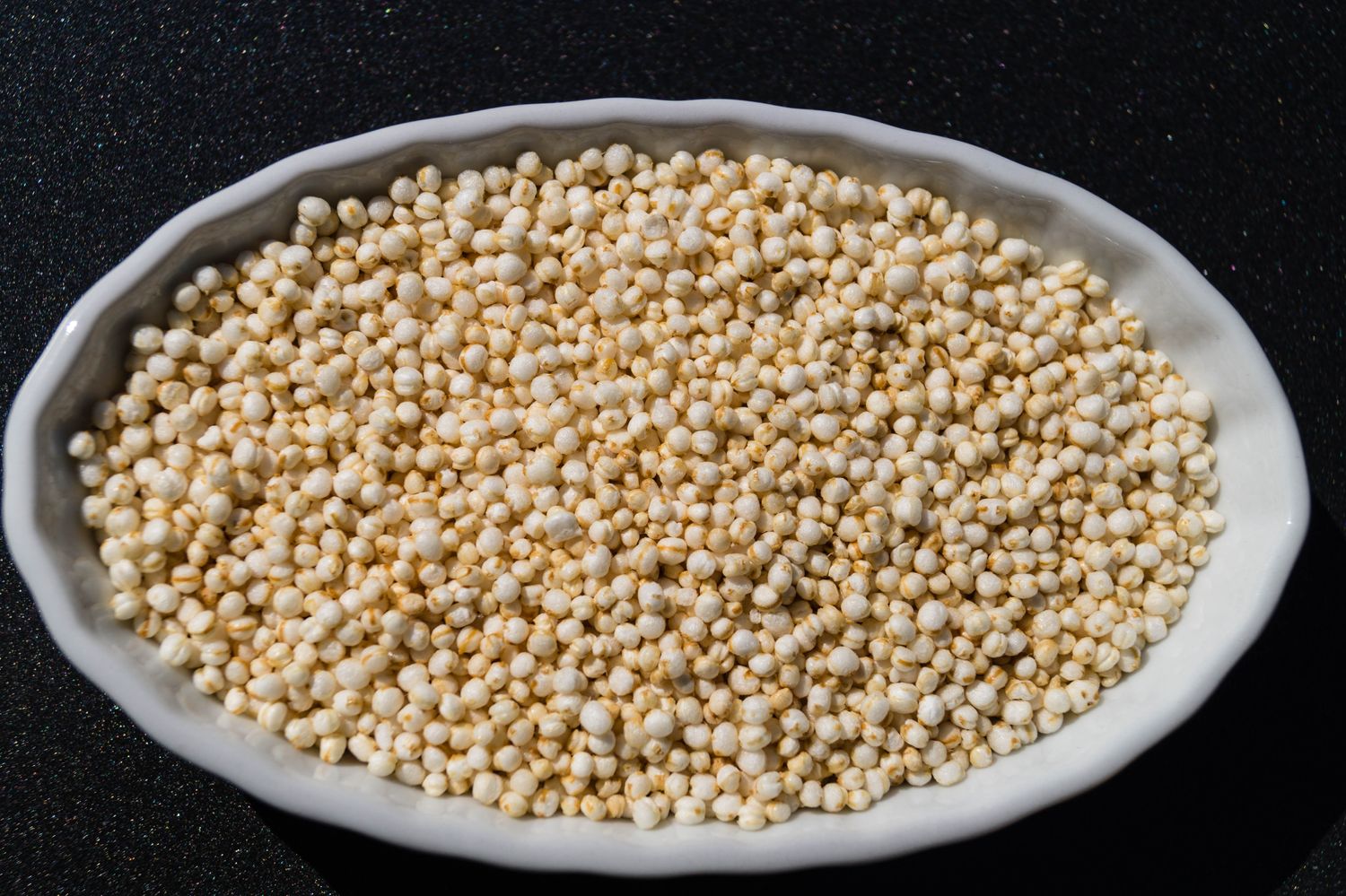
As awareness around healthy eating continues to grow, millets have emerged as a trendy and nutritious alternative to traditional staples like rice and wheat. These small, gluten-free grains have been a dietary staple in many parts of the world for centuries, but only recently have they gained global recognition for their various health benefits. Packed with essential nutrients, millets offer a range of advantages that go far beyond just being a substitute. But what is the science behind these grains, and why are they considered a superior choice for better health?
To understand why millets are hailed as a boon for our well-being, we need to dive into their impressive nutritional profile. These grains are abundant in vitamins, minerals, and antioxidants that play a crucial role in maintaining our overall health. From iron to magnesium, millets are rich in essential nutrients that support different bodily functions. Moreover, they are a fantastic source of dietary fiber, aiding digestion, and promoting a feeling of fullness that can contribute to weight management. The science is clear: including millets in your diet can help nourish your body and keep it in optimal condition.
Beyond their nutritional value, millets also provide numerous specific health benefits. For instance, many studies have shown a strong correlation between their consumption and a reduced risk of developing chronic diseases such as diabetes and heart disease. This can be attributed to the high levels of complex carbohydrates found in millets, which help regulate blood sugar levels and keep cholesterol in check. Additionally, these grains boast impressive anti-inflammatory properties, making them a potential ally in the prevention and management of various inflammatory conditions.
Furthermore, millets are incredibly adaptable and versatile, fitting seamlessly into a wide range of dietary plans. Whether you are following a gluten-free, vegan, or low-calorie diet, millets can easily be incorporated into your meals. From using millet flour in baking to enjoying a hearty bowl of millet porridge for breakfast, the possibilities are endless. Their earthy flavor and appealing texture make them a delightful addition to soups, salads, and stir-fries, adding both nutrition and diverse flavors to your plate.
It’s not just our physical health that benefits from the inclusion of millets in our diets; they also have a positive impact on the environment. These resilient crops are known for their ability to grow under diverse conditions with minimal water requirements and without the need for excessive pesticides or fertilizers. By cultivating and consuming more millets, we can contribute to sustainable farming practices and reduce our carbon footprint, making a small yet meaningful step towards a greener future.
So, if you’re ready to embark on a journey towards better health, consider adding millets to your culinary repertoire. Embracing these wholesome grains means nourishing your body with essential nutrients, reducing the risk of chronic diseases, and supporting sustainable farming practices. Whether you’re a health enthusiast or simply curious about expanding your culinary horizons, understanding the science behind millets will empower you to make informed choices that prioritize your well-being, the planet, and the incredible benefits that food can offer. Welcome to the world of millets – a gateway to a healthier and more sustainable lifestyle.
Introduction
One of the significant trends in modern nutrition is the increasing interest in millets as a healthy alternative to conventional grains. This article aims to delve into the scientific aspects of millets and their potential health benefits. By understanding the unique composition and properties of millets, we can unlock their potential to improve overall well-being and prevent various chronic diseases.
Millets refer to a group of small-seeded grains that have been cultivated as staple food for centuries. These ancient grains offer a myriad of nutritional advantages over other common grains like wheat and rice. Let’s explore the scientific rationale behind incorporating millets into our diet for better health.
Nutritional Composition
Millets are nutrition powerhouses, rich in a wide range of essential nutrients. They are excellent sources of dietary fiber, vitamins (such as niacin, thiamine, and riboflavin), and minerals (such as iron, calcium, phosphorus, and magnesium). Additionally, millets contain significant amounts of beneficial antioxidants, polyphenols, and phytochemicals, which play a vital role in promoting health and preventing diseases.
Unlike some grains, millets have a favorable fatty acid composition, comprising both essential and monounsaturated fatty acids. These healthy fats contribute to maintaining cholesterol levels, heart health, and overall inflammation reduction in the body.
Gut Health and Digestive Benefits
The high fiber content of millets promotes proper digestion and helps prevent common gastrointestinal issues like constipation and bloating. Millets act as prebiotics, nourishing the beneficial gut bacteria, and improving gut health. This, in turn, supports a robust immune system, enhanced nutrient absorption, and overall digestive well-being.
Moreover, millets have a low glycemic index, which means they release glucose slowly into the bloodstream. This property aids in avoiding sudden spikes in blood sugar levels. Individuals with diabetes or those aiming to manage blood sugar levels can benefit from including millets as part of their dietary regimen.
Gluten-Free Alternative
For individuals with gluten sensitivities or celiac disease, millets offer an excellent gluten-free alternative to various grains. The consumption of millets allows those with gluten intolerances to enjoy a diverse range of grain-based foods without experiencing adverse reactions. Millets also provide an opportunity to diversify the diet and unleash culinary creativity while adhering to a gluten-free lifestyle.
Beyond the suitability for gluten-sensitive individuals, millets bring a unique flavor and texture to gluten-free recipes, making them appealing for anyone interested in exploring new taste experiences.
Cardiovascular Health
The impressive nutritional profile of millets contributes to cardiovascular well-being. High fiber content, along with the presence of essential minerals and phytochemicals, helps reduce the risk of cardiovascular diseases like atherosclerosis and heart attacks. Regular millet consumption has shown to enhance heart health by lowering bad cholesterol levels and regulating blood pressure.
Millets’ magnesium content aids in relaxing blood vessels, promoting better blood flow and reducing the risk of hypertension. Additionally, the polyphenols present in millets help prevent the oxidation of LDL (bad) cholesterol, minimizing the formation of plaque and maintaining arterial health.
Weight Management and Satiety
Considering the increasing global obesity rates, millets’ ability to support weight management is of great interest. The combination of high fiber content and complex carbohydrates in millets promotes satiety, reducing the frequency of unhealthy snacking and overall calorie intake. The slow digestion of millet-based foods helps control appetite and contributes to maintaining a healthy body weight.
Beyond weight management, millets are also beneficial for individuals striving to build muscle due to their decent protein content. By incorporating millets into a well-balanced diet, athletes and fitness enthusiasts can ensure an adequate protein intake essential for muscle repair and growth.
Antioxidant and Anti-inflammatory Properties
Millets contain a diverse range of antioxidants, including phenolic compounds and flavonoids, which help combat oxidative stress. These antioxidants neutralize harmful free radicals, thereby protecting the body against various chronic diseases, including certain cancers and age-related conditions. The anti-inflammatory properties of millets further support overall health by reducing chronic inflammation, a key factor in many diseases.
Research suggests that regular consumption of millets may help mitigate inflammation-related conditions such as arthritis, asthma, and cardiovascular diseases, leading to improved overall well-being and quality of life.
Conclusion
Embracing millets as part of a balanced diet can offer a multitude of health benefits. The nutritional composition, gut health advantages, gluten-free nature, cardiovascular support, weight management aid, as well as antioxidant and anti-inflammatory properties of millets, make them an exceptional addition to any healthy eating plan. Understanding the scientific reasoning behind millets for better health enables us to make informed dietary choices, thereby improving our well-being and overall quality of life.
Summary
Millets are gaining recognition as a healthy alternative to staples like rice and wheat. These small grains are packed with essential nutrients, vitamins, minerals, and antioxidants that support overall health. They are also high in dietary fiber, aiding digestion and weight management. Studies have shown that millets can reduce the risk of chronic diseases like diabetes and heart disease due to their complex carbohydrates. They also have anti-inflammatory properties, making them beneficial for managing inflammation. Millets are versatile and can fit into various dietary plans. Additionally, cultivating and consuming millets contribute to sustainable farming practices and reduce carbon footprint. Adding millets to your diet can nourish your body, improve health, and support the environment.
FAQ
What are millets and why are they considered good for health?
Millets are a group of small-seeded grains that have been a part of human consumption for thousands of years. They include varieties such as sorghum, finger millet, pearl millet, and foxtail millet. Millets are rich in essential nutrients such as dietary fiber, protein, vitamins, and minerals, making them beneficial for overall health. They are particularly known for their high fiber content, aiding digestion and promoting a healthy gut. Millets also have a lower glycemic index compared to refined grains, which means they cause a slower rise in blood sugar levels and can help manage diabetes. Additionally, millets are gluten-free, making them suitable for individuals with gluten sensitivities or celiac disease.
Can millets help in weight management and preventing chronic diseases?
Yes, incorporating millets into your diet can be beneficial for weight management and reducing the risk of chronic diseases. Millets are nutrient-dense and provide a feeling of fullness due to their high fiber and protein content, which can help control appetite and reduce overeating. The complex carbohydrates present in millets are slowly digested and absorbed, giving a steady release of energy, keeping you full for longer periods. This can aid in weight loss and weight maintenance. Furthermore, studies have shown that regular consumption of millets can help in managing conditions like hypertension, cardiovascular diseases, and certain types of cancer. The antioxidants present in millets help in preventing cell damage and reducing inflammation, thus promoting overall health.
Are millets suitable for individuals with gluten intolerance or sensitivity?
Yes, millets are naturally gluten-free, making them an excellent alternative for individuals with gluten intolerance or sensitivity. In fact, incorporating millets into a gluten-free diet can increase the variety of grains consumed, ensuring a more balanced nutritional intake. Millets such as foxtail millet, finger millet, and pearl millet are widely used as gluten-free substitutes in baking, making bread, and preparing other gluten-free products. However, it is essential to ensure that the millets used are not cross-contaminated with gluten during processing or packaging. Always check for the gluten-free certification on the packaging or choose millets from reputable sources to avoid any potential cross-contamination.
How can millets be included in our daily diet?
Millets can be incorporated into your daily diet in numerous ways. They can be used as a replacement for rice in dishes such as pongal, biryani, or pilaf. Millet flour can be used for making rotis, pancakes, crepes, or muffins. Adding millets to soups, stews, or salads can increase the nutrient content and add a delightful texture. Millet flakes or puffed millets can be consumed as a breakfast cereal or used as a topping for yogurt or smoothie bowls. Various millet-based snacks, such as popped millet bars or cookies, are also available in the market. The versatility of millets allows for creative and nutritious recipe options suitable for all meals throughout the day.