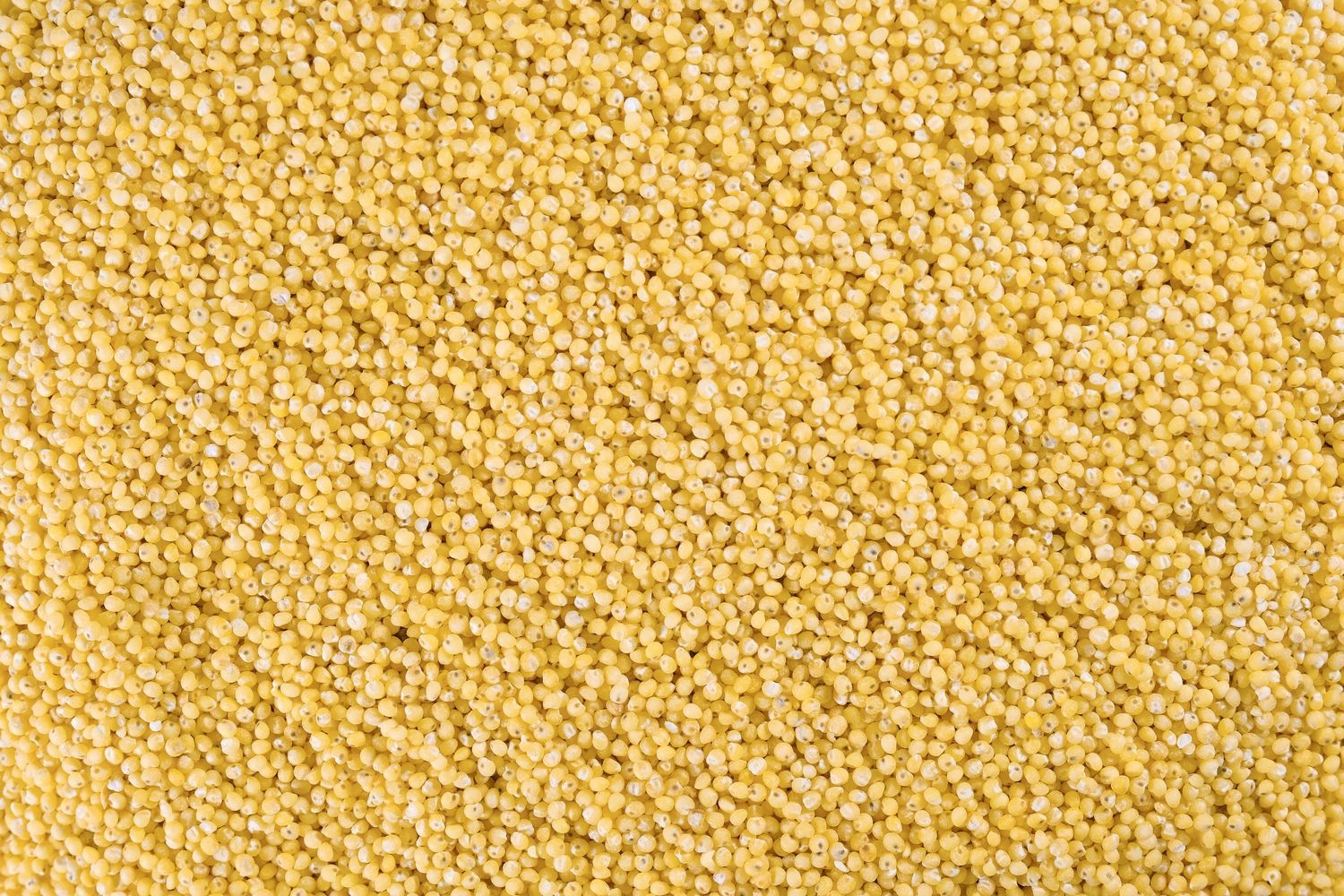

Millets, though often overlooked, have started gaining recognition as powerhouse grains that offer a multitude of benefits. From improving health to addressing environmental concerns, growing millets can revolutionize the way we approach agriculture and nutrition. A shift towards millet cultivation not only benefits farmers but also promotes sustainable and resilient farming practices. This article aims to shed light on the numerous advantages of growing millets, encouraging individuals to consider incorporating them into their diets and supporting farmers who cultivate these incredible grains.
In an era where health concerns are at the forefront, millets emerge as a natural solution. These tiny grains possess impressive nutritional profiles, packed with essential minerals like iron, magnesium, and phosphorus, along with high fiber and protein content. Incorporating millets into one’s diet can aid in weight management, as their low glycemic index helps control blood sugar levels and promotes satiety, reducing the risk of overeating. Additionally, these nutrient-dense grains possess antioxidants that combat oxidative stress, bolstering the immune system and promoting overall well-being.
Beyond the personal benefits, embracing millet cultivation holds immense value for the environment. Millets are traditionally known for their ability to thrive in semi-arid conditions, requiring minimal water and fertilizers compared to other crops. This means less strain on water resources and reduced dependency on chemical inputs, making millet farming an eco-friendly choice. By encouraging the growth of these resilient grains, we can contribute to conserving water, reducing greenhouse gas emissions, and mitigating the impacts of climate change, ultimately fostering a greener and more sustainable planet.
Moreover, growing millets benefits not only the environment but also farmers worldwide. Due to their ability to withstand adverse weather conditions and require fewer resources, millets provide small-scale farmers with increased resilience and stability. By diversifying their crops and incorporating millets, farmers can combat unpredictable climatic patterns, reduce risks associated with monoculture, and secure their livelihoods. Supporting millet cultivation translates into supporting these hardworking farmers, their families, and the communities they sustain.
For those concerned about global food security, millets offer a promising solution. With their high yields even in unfavorable conditions, millet farming has the potential to address the rising global demand for nutritious grains. By promoting the growth and consumption of millets, we can alleviate food scarcity concerns while providing people around the world with a sustainable source of nourishment. This shift can combat malnutrition and create a more equitable food system, ensuring everyone has access to healthy, affordable, and culturally diverse diets.
Apart from their nutritional and environmental advantages, millets also bring cultural significance to the table. These ancient grains have been a staple food in many cultures for centuries, offering a deep connection to heritage and tradition. By embracing millets, we not only tap into the rich history of these grains but also support agricultural practices that have sustained our ancestors. Through this cultural revival, we preserve culinary diversity and honor the wisdom of our predecessors, strengthening the fabric of our communities and fostering a sense of unity.
In conclusion, growing millets presents a plethora of benefits that go far beyond individual health. By incorporating these powerhouse grains into our diets and promoting their cultivation, we can support sustainable farming practices, combat climate change, and contribute to global food security. Moreover, embracing millets allows us to preserve cultural heritage and foster a greater sense of community. So, let us take a step towards a greener and healthier future by considering the benefits of millets and making these extraordinary grains a part of our lives.
Millets are a group of small-seeded grasses that have gained immense popularity in recent years due to their numerous health benefits. These ancient grains have been cultivated for thousands of years, primarily in Asia and Africa, and are now becoming increasingly popular in other parts of the world. Millets are highly versatile and can be used in a wide variety of dishes, making them an excellent addition to any diet.
One of the key benefits of growing millets is their nutritional value. Millets are rich in essential nutrients such as vitamins, minerals, and fiber. Unlike refined grains, millets retain the bran and germ, which are packed with nutrients. They are particularly high in iron, calcium, and magnesium, making them a valuable source of these minerals for vegetarians and vegans. Additionally, millets have a lower glycemic index compared to other grains, making them an excellent choice for individuals with diabetes or those looking to manage their blood sugar levels.
Another advantage of growing millets is their resilience to adverse weather conditions. Millets are known for their drought and heat tolerance, making them an ideal crop in regions that experience water shortages and high temperatures. This resilience reduces the need for excessive water usage and minimizes the risk of crop failure, making millets an environmentally-friendly alternative to other grains that require more resources for cultivation.
In addition to their nutritional and environmental benefits, millets are also relatively easy to grow and require minimal pest or disease control. These hardy crops can thrive in diverse soil conditions, including poor or sandy soils, and have a short growing season. This makes millets a suitable choice for small-scale farmers or individuals with limited gardening space, as they require less time and effort to cultivate compared to other staple crops.
Growing millets can also have positive economic implications. With the growing demand for millets, there is an increasing market for these nutritious grains. Farmers who choose to grow millets can tap into this market by selling their produce or incorporating millets into value-added products such as flour, snacks, or livestock feed. This can create income opportunities and contribute to the local economy.
Furthermore, the cultivation of millets promotes biodiversity. As versatile crops, millets offer habitat and sustenance to a variety of birds, insects, and other wildlife. By diversifying agricultural practices through the inclusion of millets, farmers contribute to the preservation of biodiversity, help protect endangered species, and support the overall health of ecosystems.
From a consumer perspective, incorporating millets into one’s diet can result in numerous health benefits. The high content of fiber in millets aids digestion, promotes a healthy gut, and helps prevent constipation. Millets are also gluten-free, making them suitable for individuals with gluten intolerances or celiac disease. Moreover, the complex carbohydrates in millets provide sustained energy release, making them an excellent choice for athletes or individuals engaged in physical activities.
In conclusion, growing millets offers a host of benefits ranging from nutritional advantages to environmental sustainability and economic opportunities. These versatile and resilient crops can be a valuable addition to any garden or farming practice. Whether you are looking to enhance your diet with nutrient-rich grains or contribute to a sustainable food system, considering the cultivation of millets is a wise and beneficial choice.
Summary
Millets are gaining recognition for their numerous benefits, including improving health, addressing environmental concerns, and promoting sustainable farming practices. They are packed with essential minerals, fiber, and protein, aiding in weight management and boosting the immune system. Millets require minimal water and fertilizers, making them an eco-friendly choice that conserves resources and reduces greenhouse gas emissions. Growing millets also benefits farmers by providing resilience and stability in adverse weather conditions. Additionally, millets offer a solution to global food security, providing high yields even in unfavorable conditions. Embracing millets preserves cultural heritage and fosters a sense of community.
FAQ
What are the health benefits of growing and consuming millets?
Millets offer several health benefits that make them an excellent addition to one’s diet. Firstly, millets are highly nutritious, packed with essential minerals like magnesium, iron, and phosphorus, as well as B vitamins. These nutrients contribute to improved energy levels, stronger bones, and better overall health. Additionally, millets have a low glycemic index, meaning they do not cause a sharp rise in blood sugar levels, making them ideal for diabetics. They are also rich in dietary fiber, aiding digestion and promoting satiety, which can assist in weight management and reduce the risk of chronic diseases such as heart disease and diabetes.
What environmental advantages come with growing millets?
Growing millets offers numerous environmental benefits. Millets are known for their resilience and ability to grow in adverse conditions, requiring less water compared to other crops. This water efficiency not only conserves this precious resource but also makes millets a suitable choice for regions facing water scarcity or drought conditions. Furthermore, millets have a shorter growing season and require minimal fertilizer and pesticide usage, reducing the environmental impact associated with conventional agriculture. The cultivation of millets can also contribute to soil regeneration and conservation, as millet residues help improve soil fertility, structure, and water-holding capacity.
How do millets contribute to food security and economic stability?
Millets play a crucial role in enhancing food security and economic stability, especially in regions where they are traditionally grown. These crops provide a significant source of income for small-scale farmers, as they have a higher market value compared to other staple cereals. Additionally, millets are highly resilient to climate change and can withstand harsh growing conditions, minimizing the risk of crop failure and ensuring a more secure source of food for local communities. The wide range of millet varieties available also helps diversify diets, improving nutrition and reducing dependency on a few major crops, thus enhancing overall food security.
How can growing millets contribute to sustainable farming practices?
Growing millets aligns with sustainable farming practices in multiple ways. Millets are naturally resistant to pests and diseases, reducing the need for chemical pesticides. Their deep root systems improve soil composition, prevent erosion, and help conserve water resources. Millets are also known to have a positive impact on biodiversity, as they attract various beneficial insects and pollinators, supporting ecosystem health. Moreover, millets are versatile crops that can be integrated into agroforestry systems, promoting crop diversity and providing additional ecological benefits. By incorporating millets into farming practices, farmers can adopt a more sustainable approach, reducing environmental harm and supporting long-term agricultural resilience.