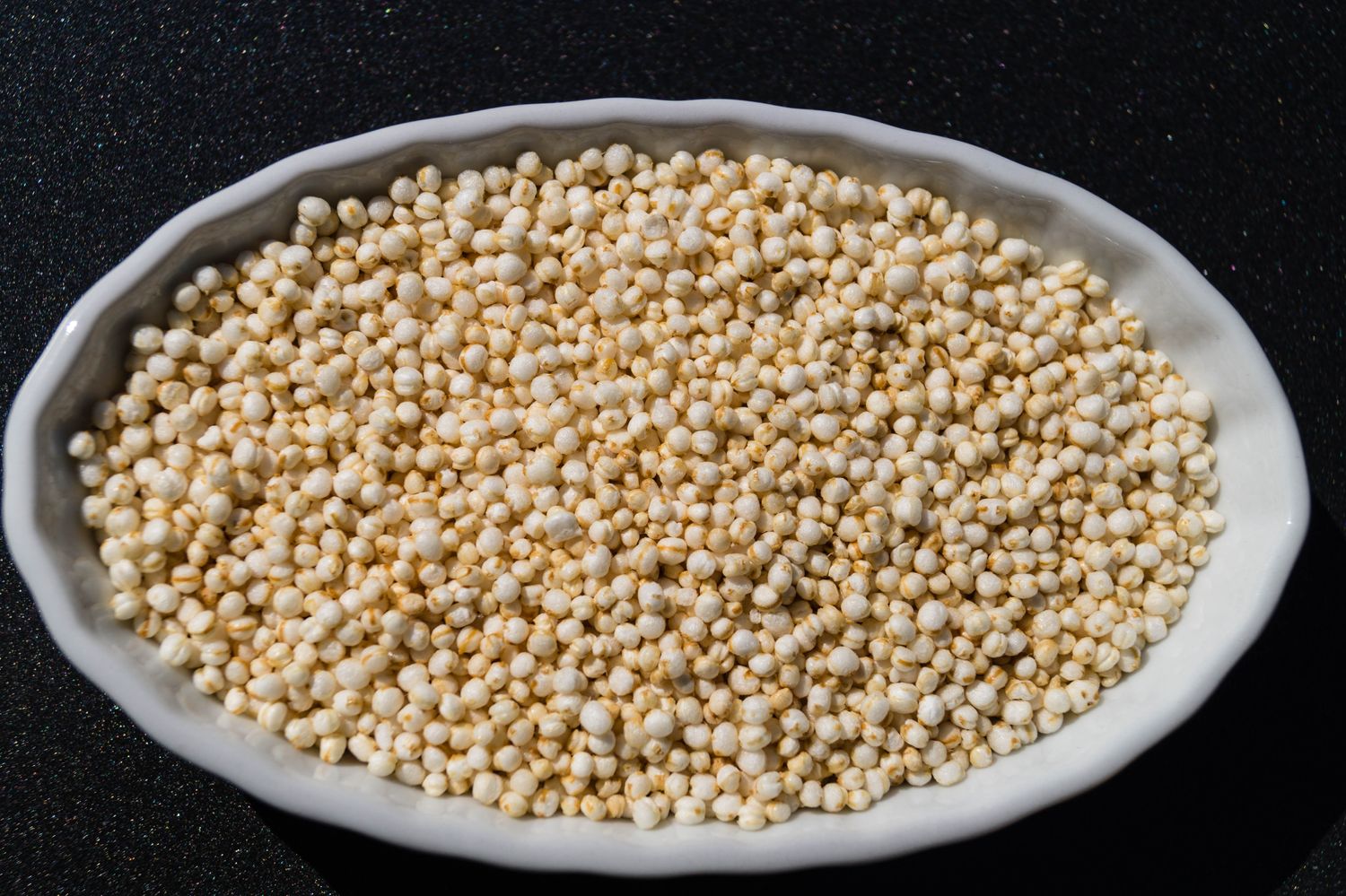

Millet, a small yet versatile grain, has been grown and enjoyed for thousands of years across different continents. Not only is it a nutritious staple for many cultures, but it also offers a plethora of benefits for vegetarians and vegans seeking alternative sources of essential nutrients in their diet. With its impressive nutrient profile, millet has gained popularity as a valuable addition to plant-based diets. From its high protein content to its rich fiber and abundance of vitamins and minerals, this humble grain has a lot to offer for those looking to maintain a balanced and healthy lifestyle without compromising on taste or nutrition.
One noteworthy benefit of millet is its remarkable protein content. Perfect for those following a vegetarian or vegan lifestyle, millet stands out among other grains with its impressive amino acid profile. With approximately 9 grams of protein per cup, this grain is an excellent source of plant-based protein, aiding in muscle development, repair, and overall growth. Including millet in your meals not only ensures an adequate protein intake but also provides an alternative to animal-derived protein sources such as meat or dairy products.
Beyond its protein content, millet also boasts a considerable array of vitamins and minerals. From essential B vitamins like niacin, thiamin, and riboflavin to minerals such as magnesium, iron, and phosphorus, millet covers a wide spectrum of nutrients crucial for maintaining optimal health. These vitamins and minerals play significant roles in various bodily functions, including energy production, immune system support, and the formation of red blood cells. By incorporating millet into your vegetarian or vegan diet, you can easily meet your nutritional needs and promote overall well-being.
In addition to its impressive nutritional profile, millet is also an excellent source of dietary fiber. Fiber is essential for maintaining a healthy digestive system and promoting regular bowel movements. Moreover, it helps to regulate blood sugar levels, lower cholesterol, and contribute to weight management. Millet’s high fiber content keeps you satiated for longer periods, reducing the likelihood of overeating and aiding in weight loss efforts. By incorporating millet into your meals, you can enjoy its satisfying texture while reaping the many benefits of dietary fiber.
Another compelling reason for vegetarians and vegans to consider millet as a dietary staple is its gluten-free nature. Millet is naturally devoid of gluten, making it an ideal choice for those with gluten sensitivities or celiac disease. Gluten-free diets have gained popularity in recent years, and millet provides a wholesome alternative to gluten-containing grains like wheat, barley, or rye. This grain can be easily incorporated into gluten-free dishes, gaining popularity among individuals who strive for a well-rounded and inclusive diet.
Moreover, millet’s versatility in the kitchen is another reason for its increasing popularity among vegetarians and vegans. With its mild and nutty flavor, millet serves as a versatile ingredient that can be used in a myriad of dishes. From being a delightful addition to soups and stews to creating delectable pilafs, salads, and even desserts, millet effortlessly adapts to various culinary creations. Whether you seek a hearty breakfast porridge, a savory lunch bowl, or a delectable dinner entrée, millet can cater to your cravings while ensuring you receive a multitude of essential nutrients.
Lastly, environmental sustainability is a growing concern among those choosing plant-based diets. As the world grapples with the effects of climate change and the importance of reducing our ecological footprint becomes increasingly apparent, millet emerges as an eco-friendly choice. This grain is highly resistant to drought and requires significantly less water to grow compared to other grains like rice or wheat. It is also able to thrive in diverse environments, making it an environmentally responsible choice that contributes to the conservation of water resources and the reduction of greenhouse gas emissions.
In conclusion, millet stands as an excellent nutritional powerhouse for vegetarians and vegans alike. With its exceptional protein content, rich array of vitamins and minerals, high fiber content, gluten-free nature, culinary versatility, and environmental sustainability, this humble grain offers a wide range of benefits. By incorporating millet into your plant-based diet, you can enjoy a wholesome and nutrient-dense ingredient that not only supports your health but also promotes a more sustainable and compassionate way of living. So why not explore the wonders of millet and elevate your vegetarian or vegan meals to a whole new level of nourishment?
1. Introduction
Millet, a versatile and nutritious grain, has gained popularity in vegetarian and vegan diets due to its rich nutritional profile and numerous health benefits. This ancient grain, often overlooked in Western diets, is a worthy addition to any plant-based meal plan.
In this article, we will explore the exceptional nutritional benefits of millet for vegetarians and vegans, focusing on its protein content, essential micronutrients, fiber, and versatility in cooking. Whether you are following a plant-based lifestyle or simply looking to diversify your grain options, millet deserves a spot in your pantry.
2. Protein Content
Millet serves as an excellent protein source for vegetarians and vegans. Notably, it contains high levels of essential amino acids, making it a complete protein. With approximately 15% protein content, millet is a valuable addition to a balanced plant-based diet.
Including millet regularly in meals can help vegetarians and vegans meet their daily protein needs, promoting muscle growth and repair. Moreover, its protein content aids in maintaining satiety levels, making it an ideal grain for weight management.
3. Rich in Essential Micronutrients
Millet is a powerhouse of essential micronutrients, making it an exceptional choice for individuals following vegetarian and vegan diets. It is a significant source of magnesium, phosphorus, copper, manganese, and B-complex vitamins.
These micronutrients play crucial roles in maintaining overall health. Magnesium, for instance, promotes proper nerve function and supports bone health. Phosphorus assists in energy production, bone maintenance, and DNA repair. Additionally, millet’s copper and manganese content contribute to antioxidant activity and enzyme functions within the body.
4. High Fiber Content
Millet is an excellent source of dietary fiber, making it advantageous for vegetarians and vegans. Fiber promotes healthy digestion, prevents constipation, and aids in maintaining a healthy weight.
By consuming millet regularly, individuals can enhance their gut health and reduce the risk of gastrointestinal disorders. Furthermore, the fiber present in millet contributes to a prolonged feeling of fullness, thereby supporting weight management efforts.
5. Versatile Cooking Options
Apart from its remarkable nutritional profile, millet offers versatility in cooking. It can be used as a substitute for rice, quinoa, or couscous, adding variety to vegetarian and vegan meals.
Millet can be transformed into comforting pilafs, grain salads, veggie burgers, breakfast porridge, and even gluten-free baked goods. The options are endless, allowing individuals to experiment and enjoy the diverse textures and tastes of this ancient grain.
6. Gluten-Free Alternative
Another benefit of millet for vegetarians and vegans is its gluten-free nature. This makes it an ideal grain for those with celiac disease or gluten intolerance, adding to the range of dietary choices available.
Incorporating millet into a gluten-free diet not only provides essential nutrients but also adds variety and texture to meals. It allows individuals with dietary restrictions to enjoy diverse and flavorful culinary experiences.
7. Conclusion
Millet offers impressive nutritional benefits for vegetarians and vegans, making it a valuable addition to their dietary choices. Its protein content, essential micronutrients, high fiber content, versatility in cooking, and gluten-free nature make it a grain worth including in plant-based meal plans.
By incorporating millet into various recipes and meals, vegetarians and vegans can enhance their nutritional intake, promote overall health, and enjoy the unique flavors and textures this ancient grain provides.
Summary
Millet is a small grain that has been grown and enjoyed for thousands of years across different continents. It is nutritious and offers many benefits for vegetarians and vegans seeking alternative sources of essential nutrients. Millet has a high protein content, making it an excellent source of plant-based protein for muscle development and overall growth. It also contains a wide range of vitamins and minerals that are crucial for maintaining optimal health. Additionally, millet is a great source of dietary fiber, helps regulate blood sugar levels, and aids in weight management. It is gluten-free, making it suitable for those with gluten sensitivities. Millet is versatile in the kitchen and can be used in a variety of dishes. It is also an environmentally sustainable choice since it requires less water to grow compared to other grains. In conclusion, incorporating millet into a plant-based diet can provide a nutrient-dense and sustainable source of nourishment.
FAQ
Why is millet considered a beneficial grain for vegetarians and vegans?
Millet is a highly nutritious grain that offers various benefits to individuals following a vegetarian or vegan diet. Firstly, millet is an excellent source of plant-based protein, making it a valuable addition to vegetarian and vegan diets to meet their protein needs. It contains essential amino acids, such as lysine, which can sometimes be lacking in vegetarian and vegan diets. Additionally, millet is rich in fiber, iron, phosphorus, and magnesium, providing essential nutrients that are vital for maintaining a healthy diet. This grain also has a low glycemic index, which means it releases energy gradually and helps keep blood sugar levels stable.
Can millet help in maintaining a balanced diet for vegetarians and vegans?
Absolutely! Millet can be a key ingredient in maintaining a balanced diet for vegetarians and vegans. As it provides a good amount of protein, it can help individuals meet their daily protein requirements. Moreover, millet is gluten-free, making it suitable for those with gluten intolerance or celiac disease. Its high fiber content aids in digestion and promotes gastrointestinal health. Millet is also rich in antioxidants that contribute to overall well-being and may help reduce the risk of chronic diseases. Incorporating millet into the diet offers a variety of nutrients, adding both taste and valuable health benefits to meals.
How can millet be used in vegetarian and vegan cooking?
Millet is an incredibly versatile grain that can be used in various vegetarian and vegan dishes. Firstly, it can be cooked and enjoyed as a fluffy base for stir-fries, curries, or stews. It can also be used in place of rice, couscous, or quinoa in recipes. Millet flour can be utilized as a gluten-free alternative in baking, creating delicious bread, muffins, or pancakes. It can even be made into a creamy porridge for a wholesome and nutritious breakfast option. Millet’s mild flavor allows it to absorb the flavors of other ingredients it is cooked with, making it a versatile grain that can be incorporated into a variety of dishes.
Is millet suitable for those with dietary restrictions?
Yes, millet is suitable for individuals with different dietary restrictions. As mentioned earlier, millet is gluten-free, making it an excellent alternative for those with gluten intolerance or celiac disease. It is also a great option for those following a vegetarian or vegan diet since it is rich in nutrients and provides plant-based protein. Additionally, millet is generally well-tolerated, and its digestibility is comparable to other grains. However, it is essential to note that some individuals may have specific allergies or sensitivities to millet, so it is always recommended to consult with a healthcare professional or nutritionist before incorporating millet into one’s diet, especially for individuals with existing medical conditions or concerns.